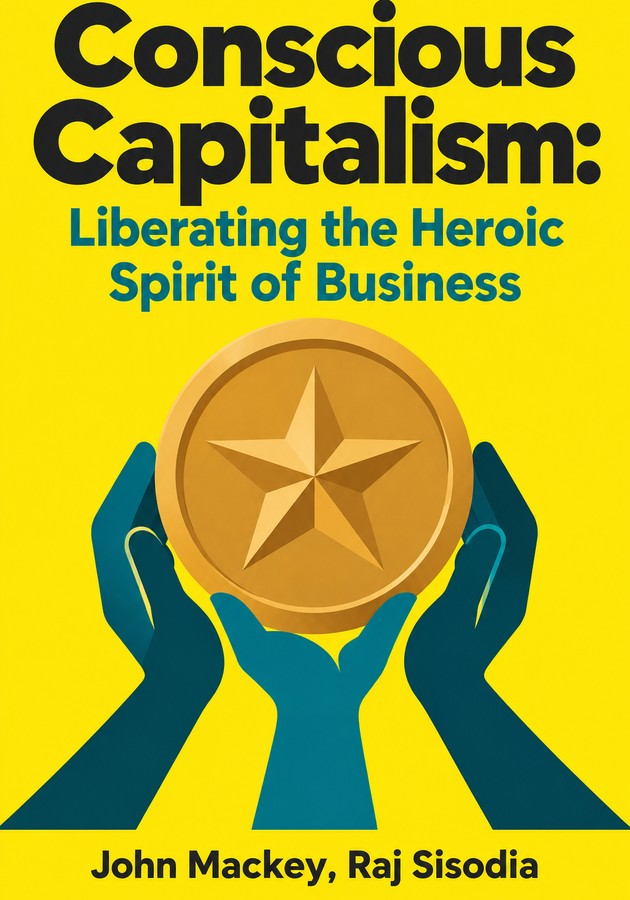
Why a Flood Revealed the Real Asset
In 1981, a flood destroyed John Mackey's only store, with no insurance and ruined inventory. Instead of collapsing, customers showed up with buckets, employees worked without pay, and suppliers agreed to wait for payment. Twenty-eight days later the store reopened. The episode became Mackey's second awakening: the trust and care built with stakeholders before the crisis was the very asset that saved the business when everything else was gone.
The Hidden Cost of Squeezing Suppliers
When General Motors handed purchasing to José Ignacio Lopez in the early 1990s, brutal price cuts looked like savings on paper but cost the company its suppliers' best ideas and goodwill. Conscious businesses take the opposite path: POSCO pays suppliers within three days, and The Container Store times orders to help suppliers through slow seasons. Becoming a supplier's favorite customer, not its toughest negotiator, builds the innovation and quality that cheap deals destroy.
Leaders Who Never Stop Growing
Leadership has evolved from military command, through mercenary ambition for money, toward conscious leaders driven by a purpose larger than themselves. Bill George reoriented Medtronic around restoring patients to health rather than selling devices. Even public humiliation can fuel this growth: after a 2007 SEC investigation into his anonymous online posts, Mackey called it one of the most valuable lessons of his career, forcing him to examine motives he had long avoided.