Why Tears Are Wired to Connect Us
Pixar's Inside Out nearly collapsed around Fear until Sadness took center stage, teaching Joy what she couldn't learn alone. Psychologist Dacher Keltner found that same truth in the body: witnessing another's pain activates ancient brain structures like the periaqueductal gray and vagus nerve. Darwin, who lost his daughter Annie, argued sympathy—not ferocity—was humanity's strongest instinct, closer to survival of the kindest than survival of the fittest.
The Ancient Names for an Impossible Longing
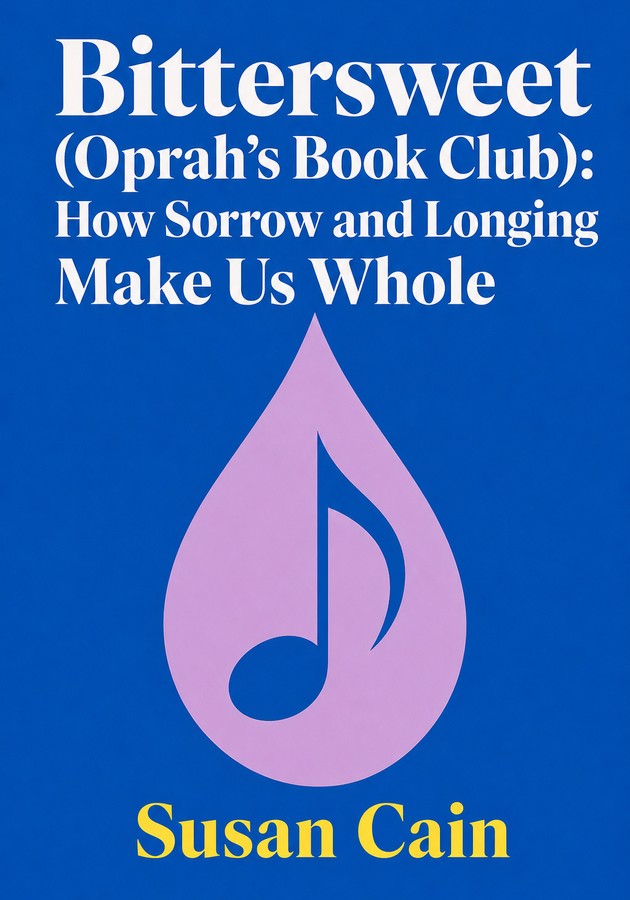
Alain de Botton insists no partner can satisfy our hunger for unconditional love—but Susan Cain traces that hunger further back. Nearly every culture has named it: the Greek pothos, the Portuguese saudade, the Hindu viraha, C.S. Lewis's German Sehnsucht. In Sufi teaching, longing for the Divine isn't a problem but the practice itself; Rumi's poem "Love Dogs" reveals that the ache of crying out, unanswered, is itself the reply.
America's Costly Habit of Forced Smiles
Calvinist predestination once turned relentless work into proof of salvation, and failure into a mark of defective character—a shift historian Scott Sandage traces in how "loser" changed meaning. Norman Vincent Peale's bestseller cemented the belief that positive thinking manufactures success. Today it shows up as Stanford's "Duck Syndrome," where students paddle frantically beneath a calm surface, and in workplaces where suppressed grief quietly drains performance and connection.