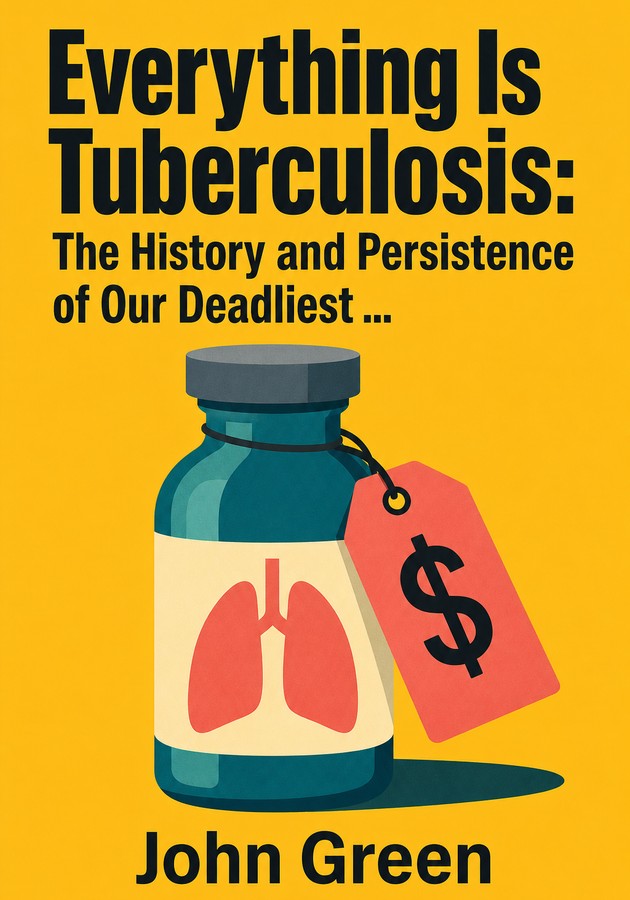
A Ward Without Water, A Boy Without a Childhood
At Lakka Government Hospital, John Green met Henry, a 17-year-old so stunted by tuberculosis and hunger that he looked nine. The ward lacked electricity, water, and food—a shortage that matters more than it seems, since TB medicine restores appetite before patients can afford to eat, driving many to abandon treatment and breed drug resistance. Sierra Leone's poverty traces back to colonial railroads built only to extract minerals, never to connect its own people.
The Romance We Invented for a Killer
Before germs were understood, the nineteenth century turned tuberculosis into poetry: spes phthisica held that dying lungs sharpened the soul, while women used belladonna to mimic its pale, hollow-eyed glow. Doctors called it a disease of sensitive, civilized white people, a myth that let colonial medicine ignore the disease among Black and Indigenous populations. Robert Koch's 1882 discovery of the bacterium ended the romance overnight, replacing it with blame instead of compassion.
A Cure Priced Beyond the People Who Need It
Between 1966 and 2012, not a single new tuberculosis drug reached the market, because the disease had stopped threatening the rich. When bedaquiline finally arrived, Johnson & Johnson priced it out of reach; a teenager named Shreya Tripathi sued her government and won access, but too late to save her lungs. Dr. Girum Tefera fought the same arithmetic at Lakka, rationing costly GeneXpert tests while patients like Henry waited for medicine priced for someone else's budget.