
The Dominance of Image Over Discourse
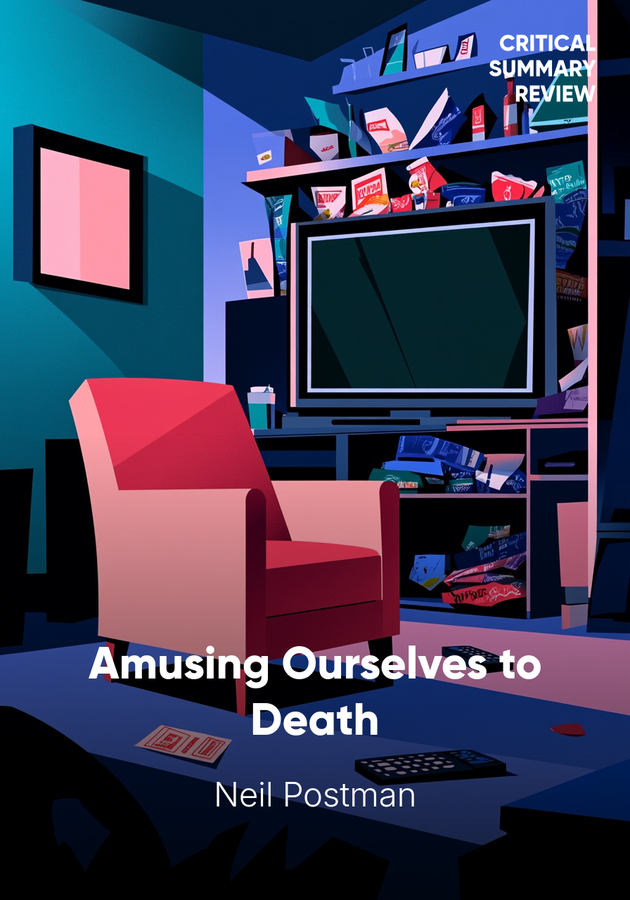
Neil Postman argues that the prevalence of television has shifted cultural communication from a discourse-based society to one dominated by images. This shift undermines our capacity for rational thought and meaningful dialogue, as complex ideas are condensed into simplistic visuals and soundbites. The depth and nuance of written language, which once fostered critical thinking and informed debate, are diminished in favor of immediate gratification and entertainment. As a result, our ability to engage with serious topics is compromised, leading to a culture where entertainment trumps substance.
Entertainment as a Means of Social Control
Postman posits that television functions as a tool of social control by providing a constant stream of entertainment that distracts and pacifies the public. In a society where amusement is prioritized, individuals become less likely to question authority or engage in civic actions. This mirrors Aldous Huxley's vision in 'Brave New World,' where people are oppressed not by an overtly tyrannical government, but by their own insatiable desire for pleasure. The passive consumption of trivial content renders the populace complacent, effectively nullifying their capacity for dissent and critical engagement with societal issues.
The Erosion of Public Discourse
In 'Amusing Ourselves to Death,' Postman warns of the erosion of public discourse due to the rise of television and the decline of print media. Television, with its emphasis on entertainment, has transformed news into infotainment, where the presentation of information is more important than its content. This shift has led to a superficial understanding of important issues, as complex narratives are reduced to catchy headlines and sensationalized stories. The result is a public that is less informed and more susceptible to manipulation, undermining the democratic process and the ability of citizens to make informed decisions.